"I know I can leave my children money and family heirlooms, but if I'm leaving them those things in a world where human rights aren't respected, I don't feel like I've done the right thing by them."
Jacqueline Williamson





Leaving a gift in your Will has never been easier. Today, a few straightforward steps can help safeguard the rights of people you may never meet, but whose lives will be transformed by your generosity. By remembering Amnesty International in your Will, you create a legacy that speaks of courage and hope—a promise that the fight for justice and freedom will endure for generations to come.
Our work defending human rights simply wouldn’t be possible without the support of people like you. Thank you so much for your generosity and your compassion.

"I know I can leave my children money and family heirlooms, but if I'm leaving them those things in a world where human rights aren't respected, I don't feel like I've done the right thing by them."
Jacqueline Williamson
"Leaving a gift in my Will to Amnesty was an easy decision. I want this positive change to continue for generations. By including a gift, I am honouring the impact Amnesty has had on me. I am proud to say that when the future needs me, I will be there."
Giles Gunesekera


Amnesty's sustained advocacy correlates with more than 100 countries moving away from capital punishment since 1961.
Offered relief through Amnesty's work (2023).
Millions educated and equipped to fight for human rights around the world.
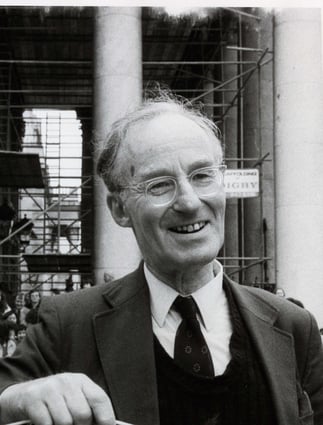
Amnesty International is founded after Peter Benenson's “Forgotten Prisoners” article exposes unjust imprisonments worldwide.
Today, we are a global movement of 10 million people defending human rights and challenging oppression in over 150 countries.

Amnesty International Australia is founded in Melbourne.
Now with over two million supporters and 6,000 activists across Australia, we continue to work with communities and activists to challenge discrimination and uphold human rights.
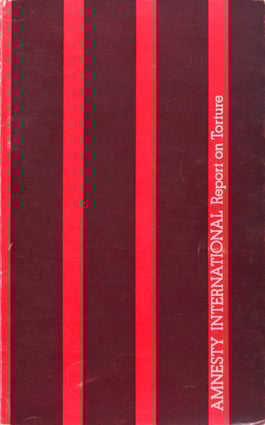
Amnesty publishes the groundbreaking “Report on Torture”, exposing widespread torture and forcing global policy change.
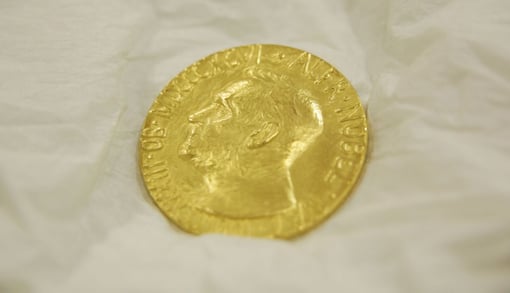
Amnesty International is awarded the Nobel Peace Prize for contributing to 'securing the ground for freedom, for justice, and thereby also peace in the world'.
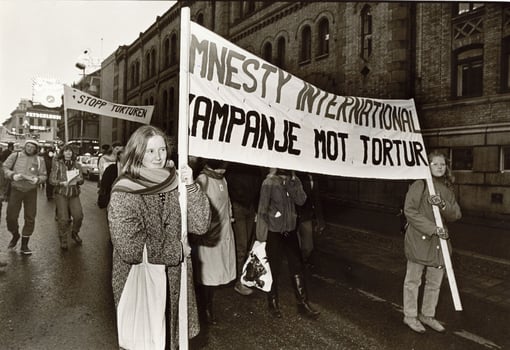
UN Convention Against Torture is adopted. Amnesty's lobbying is a major force in pushing the Convention through.

The International Criminal Court (ICC) is established. Amnesty plays a major advocacy role in shaping the Rome Statute and pushing governments to ratify it.
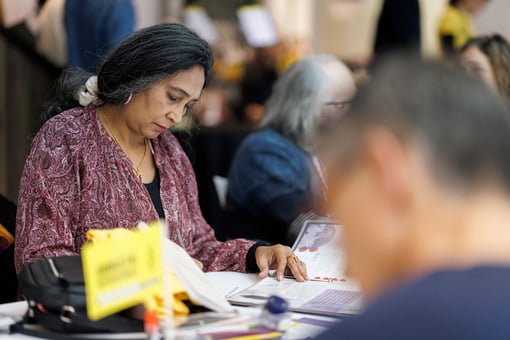
A small group of Amnesty activists in Poland hold a 24-hour letter writing marathon – the first Write for Rights.
Since 2001, more than 50 million actions have been taken and over 100 people featured have seen a positive outcome to their case - each one contributing to deeper, lasting change beyond the individual.
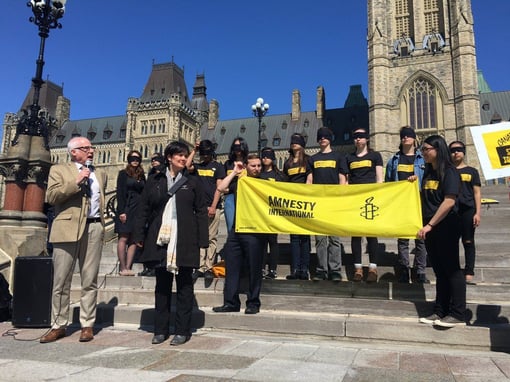
The Optional Protocol to the Convention against Torture (OPCAT) enters into force.
Amnesty plays a leading role in advocating for the treaty, which establishes independent inspections of prisons and detention centres worldwide to prevent torture.
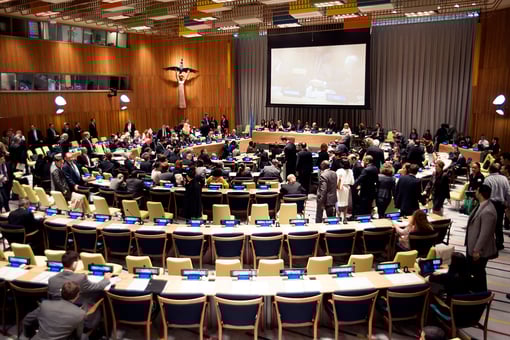
The Arms Trade Treaty (ATT) is adopted by the United Nations. Amnesty is central to a decades-long global campaign to regulate the international arms trade and prevent weapons from being used to commit human rights abuses.
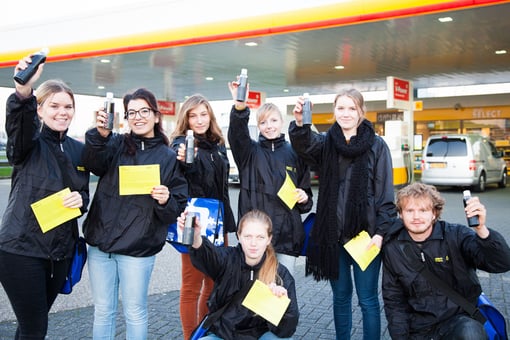
After years of pressure from Amnesty and its supporters, Shell’s Nigerian subsidiary announces a £55m settlement to farmers and fishermen in Bodo, Nigeria, whose lives were devastated by two large Shell oil spills. It paves the way for future actions from other Nigerian communities which have borne the brunt of the company’s negligence.
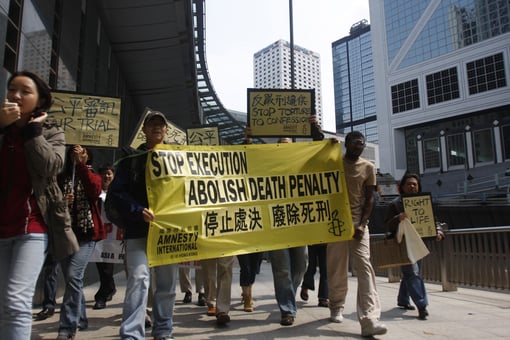
The UN General Assembly adopts its strongest-ever resolution calling for a moratorium on the death penalty. Amnesty’s sustained global campaigning helps secure a record number of states voting in favour, strengthening momentum toward abolition.
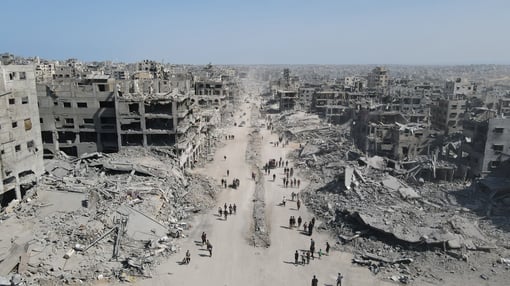
Amnesty publishes major report finding Israel’s actions meet key elements of the Genocide Convention. This becomes one of the most significant reports in Amnesty’s modern history.